← גרור לסיבוב →

Our Solutions

Power Quality Analysis

How SATEC can help

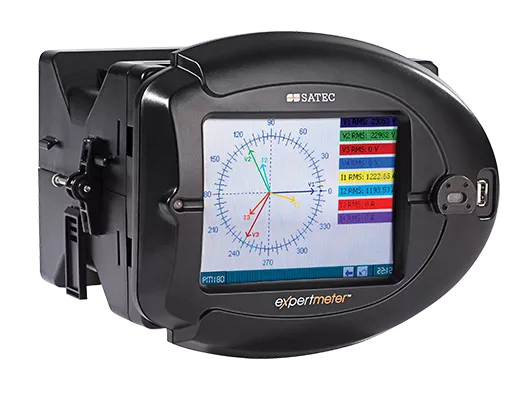
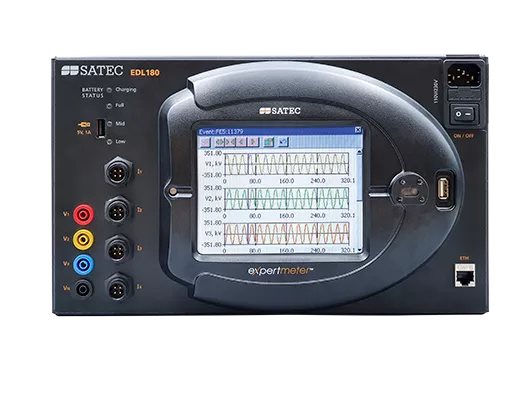
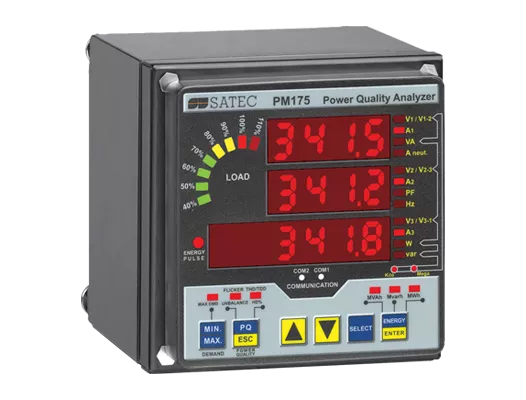
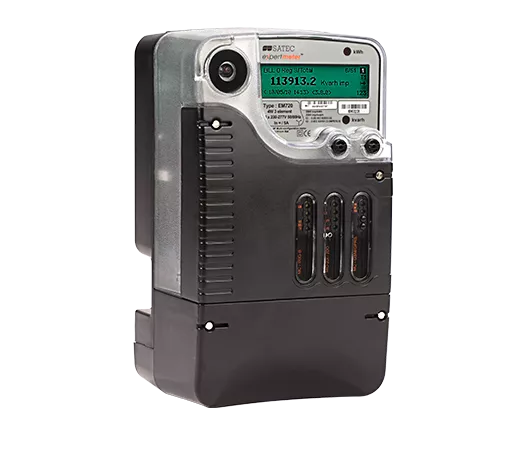
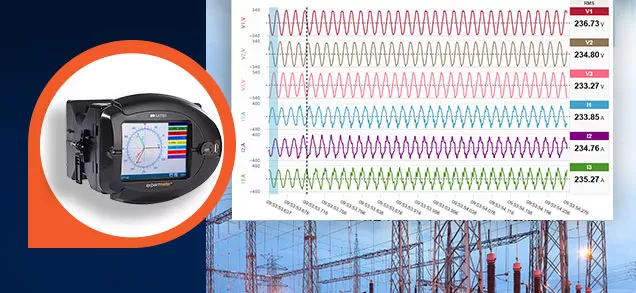
Power quality monitoring has been a core area of SATEC expertise since the company was founded. Over the years, our solutions have evolved to support a wide range of power quality monitoring and analysis requirements, including:

  1. Class A analyzers compliant with IEC 61000-4-30, Edition 3
  2. Fast transient detection
  3. Disturbance direction detection
  4. Standardized power quality reports in accordance with EN 50160 and IEEE 1159

What is power quality?

Power quality refers to the stability, reliability, and consistency of the electrical power supplied by the grid. It is influenced by parameters such as voltage, frequency, waveform quality, and continuity of supply.

Power quality can be affected by events originating within the generation, transmission, or distribution network, as well as by customer equipment and electrical loads. Because the grid is interconnected, a disturbance in one location may affect nearby facilities or, depending on its scale, a wider section of the network.

Common power quality events include voltage sags and swells, frequency variations, harmonics, transients, and interruptions. Poor power quality can lead to equipment malfunction, reduced equipment life, production losses, and, in severe cases, safety risks or outages.
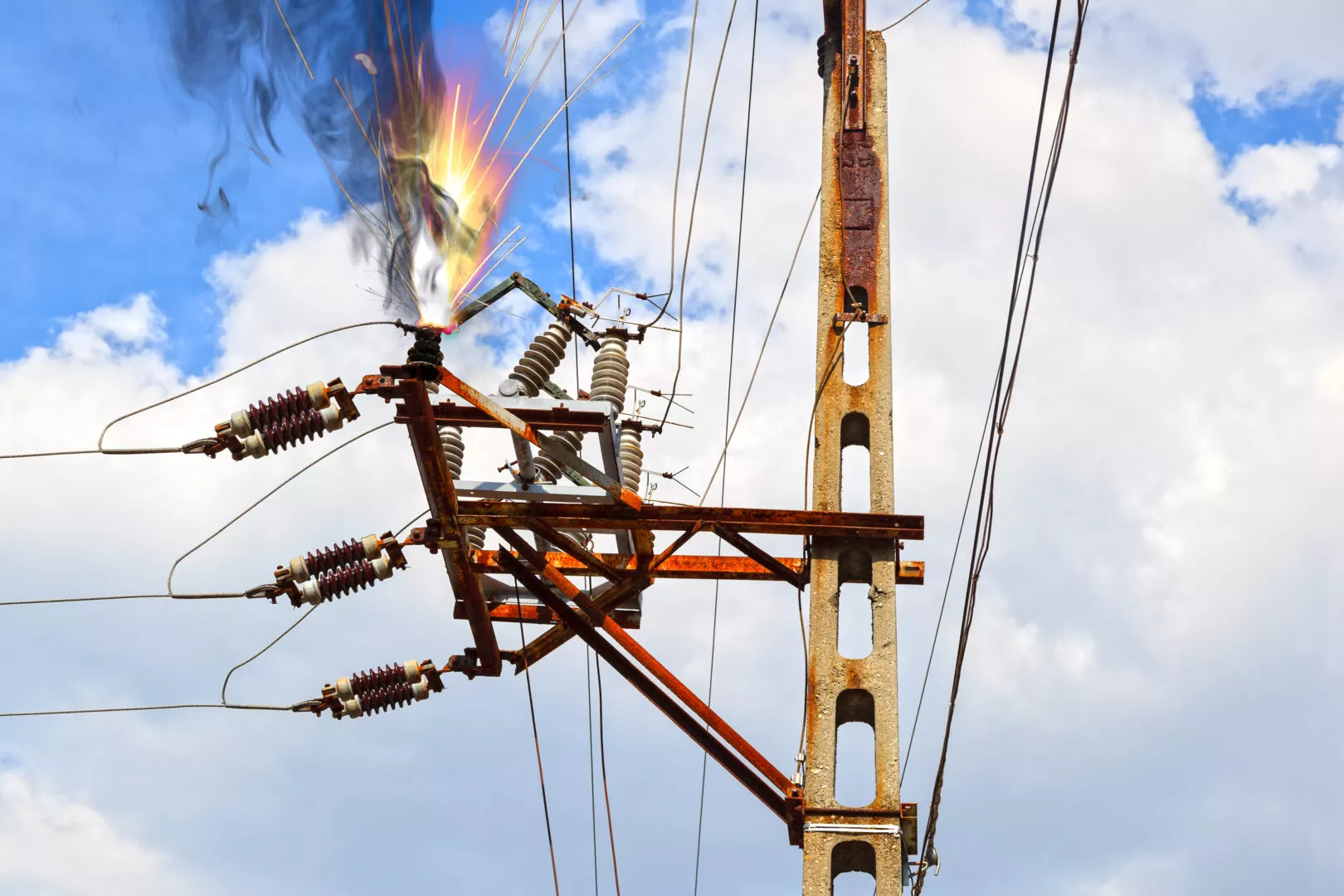
line on fire

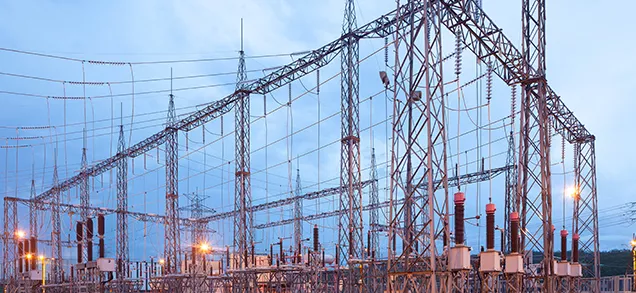
Power quality analyzers may be installed at a network operator’s substation or at a customer’s point of connection. Although both parties monitor the same electrical events, their objectives may differ.

When poor power quality causes equipment damage, the customer may require documented evidence to support a claim. The network operator, in turn, needs independent monitoring data to verify or dispute the source of the disturbance. Continuous monitoring also enables early alerts, helping identify power quality issues before damage occurs.

Voltage dips and swells can result from sudden events within the network, such as short circuits, transformer energization, or the connection of large loads. For example, when a large industrial customer starts an induction motor, the resulting voltage dip may also affect nearby facilities. Identifying the source and direction of the disturbance helps network operators take corrective action and determine responsibility more accurately.

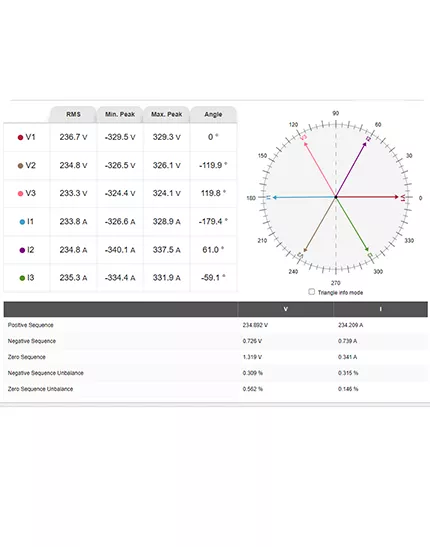
Symmetrical three-phase dips and swells are analyzed using the relative magnitude of the fault or inrush current and the fundamental-frequency power angle. Asymmetrical single-phase and two-phase dips and swells are analyzed using the negative-sequence power angle. When insufficient data is available, the fundamental-frequency power angle is used instead.

ההרשמה הושלמה בהצלחה

!מחכים לראותך שם